Unlocking Creativity with 10 Trippy Illusion Patterns: A Designer’s Essential Toolkit
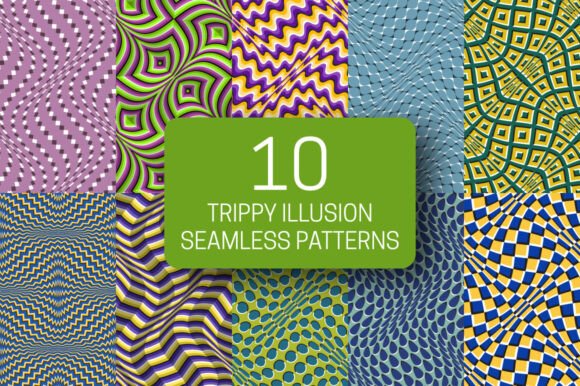
In the ever-evolving world of design, visual impact is more important than ever. As professionals, creators, and entrepreneurs seek to stand out in a crowded digital landscape, tools that offer both uniqueness and versatility are highly valued. One such tool gaining attention is 10 Trippy Illusion Patterns, a collection of optical illusion seamless patterns designed for use in Adobe Illustrator and Photoshop. These patterns provide an innovative way to add depth, movement, and intrigue to any project.
The Power of Optical Illusions in Design
Optical illusions have long fascinated both artists and scientists alike. They challenge our perception and engage the viewer on a deeper level. In design, these illusions can be used to create dynamic visuals that capture attention and provoke curiosity. The 10 Trippy Illusion Patterns package harnesses this power by offering a range of visually stunning textures that can be seamlessly scaled to any size without loss of resolution.
Each pattern is crafted with precision, allowing designers to integrate them into a variety of projects—from digital illustrations and web backgrounds to print media and branding materials. With 10 EPS files included, the package ensures flexibility and high-quality output across different platforms and applications.
Why Are Trippy Illusion Patterns Trending?
As consumer preferences shift toward immersive and interactive experiences, the demand for visually engaging content has never been higher. Marketers, freelancers, and creative professionals are increasingly looking for ways to differentiate their work in a saturated market. This is where trippy illusion patterns come into play.
These patterns tap into current trends in digital art, psychedelic aesthetics, and the growing interest in mind-bending visuals. Whether it's for a music festival poster, a website background, or a packaging design, the use of optical illusions can elevate a simple design to something truly memorable.
Relevance in Modern Design Workflows
Designers today work across multiple platforms and formats, often requiring assets that are both scalable and adaptable. The 10 Trippy Illusion Patterns meet these needs by being compatible with popular design software like Adobe Illustrator and Photoshop. Their seamless nature allows for easy integration into existing workflows, reducing the time spent on tedious adjustments.
Moreover, as remote collaboration becomes the norm, having access to high-resolution, editable vector files is essential. The EPS format ensures that these patterns maintain their quality even when scaled up or printed at large sizes, making them ideal for both digital and physical applications.
Practical Applications of Trippy Illusion Patterns
The versatility of these patterns makes them suitable for a wide range of industries and purposes. Let’s explore some practical examples of how they can be applied:
- Web Design: Use trippy illusion patterns as background elements to create a sense of depth and movement on websites, especially in areas like hero sections or landing pages.
- Print Media: Incorporate these patterns into magazine covers, posters, or packaging designs to add a unique visual element that stands out on the shelf.
- Branding: Utilize them in logos or brand collateral to convey a sense of innovation and creativity, appealing to younger, tech-savvy audiences.
- Artistic Projects: Artists can layer these patterns over other visual elements to create complex, multi-dimensional artworks that challenge the viewer’s perception.
These examples highlight how the 10 Trippy Illusion Patterns can be integrated into various aspects of design, providing endless possibilities for experimentation and creativity.
Connecting to Broader Creative Trends
The rise of trippy illusion patterns aligns with broader trends in creative expression and technological advancement. As augmented reality (AR) and virtual reality (VR) continue to gain traction, there is an increasing need for visual elements that can adapt to immersive environments. Optical illusions, with their ability to manipulate perception, are well-suited for such applications.
Additionally, the popularity of psychedelic and retro-futuristic aesthetics in fashion, music, and digital culture has contributed to the resurgence of interest in illusion-based design. This trend is not just about nostalgia—it reflects a desire for visual experiences that are both stimulating and thought-provoking.
Meeting Changing Consumer Expectations
Consumers today are more discerning than ever. They expect content that is not only visually appealing but also meaningful and engaging. Trippy illusion patterns help meet this expectation by offering a fresh, innovative approach to design that resonates with modern sensibilities.
Whether it's through the use of intricate geometric shapes, shifting color gradients, or hypnotic repeating motifs, these patterns provide a way to create visuals that leave a lasting impression. In a world where attention spans are short, capturing and holding a viewer’s focus is crucial—and optical illusions are a powerful tool for achieving this.
Conclusion: Embracing the Future of Visual Design
The 10 Trippy Illusion Patterns represent more than just a collection of textures—they symbolize a shift towards more dynamic, interactive, and visually rich design practices. As professionals and creators continue to push the boundaries of what is possible, tools like these will become increasingly valuable in shaping the future of visual communication.
By incorporating these patterns into their workflow, designers can unlock new levels of creativity, engagement, and impact. Whether you're an entrepreneur looking to enhance your brand identity or a freelancer seeking to expand your portfolio, the 10 Trippy Illusion Patterns offer a compelling solution that aligns with current trends and evolving expectations in the design industry.