Blue Monochrome Geometric Patterns: A Versatile Design Resource for Modern Projects
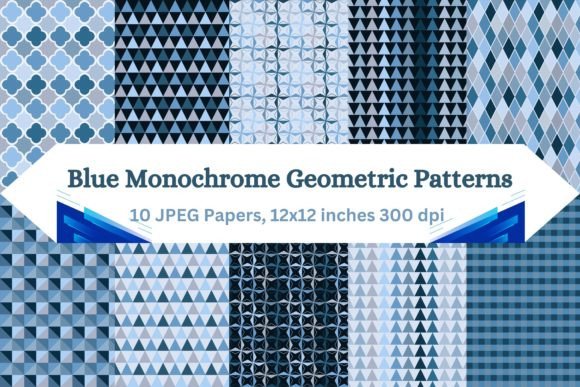
Blue monochrome geometric patterns offer a striking blend of simplicity and sophistication, making them a popular choice among designers, artists, and creators. These patterns are defined by their use of blue tones in a single-color scheme, combined with structured geometric shapes that repeat seamlessly. This unique combination provides a modern aesthetic that can be adapted across various mediums and applications.
Understanding Blue Monochrome Geometric Patterns
At the core of this design style is the use of geometric elements—such as triangles, circles, hexagons, and polygons—arranged in a repeating pattern. The monochrome aspect refers to the use of only one color, typically varying shades of blue, which gives the design a cohesive and elegant look. This approach avoids the complexity of multiple colors while still offering visual interest through shape and form.
The term "seamless" is crucial when discussing these patterns. It means that the design can be tiled without visible edges or breaks, allowing for continuous coverage in both digital and print formats. This feature makes it particularly useful for projects requiring large-scale repetition, such as fabric printing, wallpaper, or background graphics.
Key Features of Blue Monochrome Geometric Patterns
When considering a collection of blue monochrome geometric patterns, several key features stand out:
- High Resolution: Each image is 3600x3600 pixels at 300dpi, ensuring crisp details and professional quality for both digital and print applications.
- Versatility: With 10 distinct patterns, users have a wide range of options to choose from, each offering a slightly different composition and visual rhythm.
- Seamless Tiling: The patterns are designed to repeat effortlessly, making them ideal for backgrounds, banners, and other design elements that require continuity.
- Monochrome Focus: By using only shades of blue, the designs remain clean and minimalistic, allowing them to complement rather than overpower other design elements.
Comparing Blue Monochrome Geometric Patterns with Other Design Styles
While blue monochrome geometric patterns are highly versatile, they may not be the best fit for every project. Understanding how they compare to similar styles can help in making an informed decision.
Colorful Geometric Patterns: These designs often use multiple colors to create vibrant, eye-catching visuals. While they can be more dynamic, they may not suit minimalist or subdued aesthetics. In contrast, blue monochrome patterns provide a more refined and elegant look.
Abstract Art Patterns: Abstract art tends to be more freeform and less structured than geometric patterns. If the goal is to achieve a sense of order and symmetry, geometric patterns may be a better choice.
Photographic Textures: For projects requiring a natural or organic feel, photographic textures might be preferable. However, if the objective is to add structure and modernity, geometric patterns offer a stronger visual impact.
Best Use Cases for Blue Monochrome Geometric Patterns
These patterns are well-suited for a variety of creative endeavors. Some common use cases include:
- Web Design: As background elements or overlays, these patterns can enhance the visual appeal of websites without overwhelming the content.
- Print Projects: Whether for packaging, invitations, or home decor, the high-resolution format ensures clarity and professionalism in print.
- Scrapbooking and Craft Projects: The seamless nature of the patterns allows for easy tiling, making them perfect for creating cohesive layouts.
- Fabric Printing: The geometric layout works well for textiles, adding a modern touch to clothing, curtains, or upholstery.
- Mockups and Presentations: The last three images in the set are specifically designed for mockup examples, helping users visualize how the patterns would look in real-world applications.
Considerations When Choosing Blue Monochrome Geometric Patterns
Despite their many advantages, there are certain considerations to keep in mind when deciding whether these patterns are right for your project:
Color Limitation: Since the patterns are monochrome, they may not be suitable for projects that require a full spectrum of colors. However, this limitation can also be seen as a strength, as it allows for greater flexibility in pairing with other design elements.
Design Complexity: While the geometric shapes add visual interest, overly complex patterns may be distracting in some contexts. Simpler compositions tend to work best for backgrounds or subtle accents.
File Format: The JPEG format is widely supported and offers good quality, but it is not as editable as vector-based formats like SVG. If you need to scale the patterns or modify them digitally, this could be a factor to consider.
When to Opt for Blue Monochrome Geometric Patterns
Blue monochrome geometric patterns are ideal for projects that benefit from a clean, structured look. They are especially effective in environments where minimalism and elegance are desired, such as corporate branding, modern interiors, or digital interfaces.
If you're working on a project that requires a sense of order, harmony, and visual balance, these patterns can serve as a strong foundation. Their versatility also makes them a great option for experimenting with different layouts and compositions.
However, if your project calls for bold colors, intricate details, or a more organic feel, you may want to explore alternative design resources that better match your specific needs.
Conclusion
Blue monochrome geometric patterns offer a compelling blend of simplicity, elegance, and versatility. With their high-resolution format, seamless tiling, and focus on structured design, they are a valuable resource for a wide range of creative applications. Whether you're designing for digital media, print, or home decor, these patterns provide a refined aesthetic that enhances any project.
By understanding their strengths, limitations, and best use cases, you can make a more informed decision about whether they are the right choice for your next design endeavor.